A thank-you at work used to depend on timing. Someone had to buy a card, pass it around quietly, hope everyone signed it before the person left for the day, and then find the right moment to hand it over. It worked when teams sat in the same office. It became harder when offices became hybrid, remote, and spread across cities or countries.
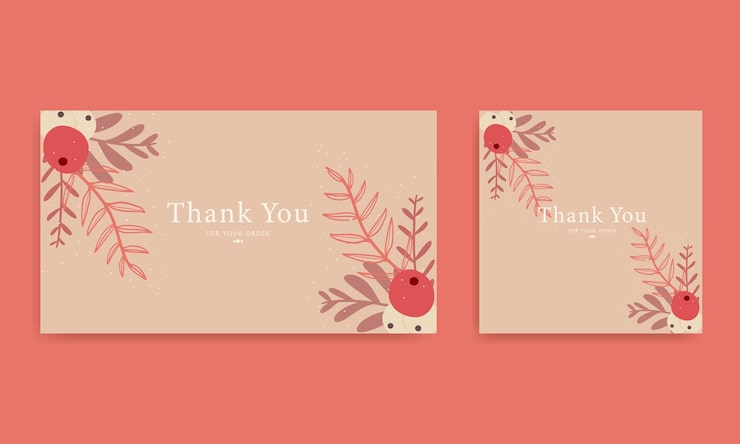
That is one reason digital thank you cards have become more than a convenient replacement for paper cards. They are changing how appreciation happens at work because they remove the small barriers that often stop people from saying something meaningful.
Workplace appreciation is not always about big rewards. Sometimes it is about a few honest lines from coworkers who noticed the effort behind a project, the patience during a tough week, or the quiet support someone gave when things were messy. Digital cards make those moments easier to collect and share.
Appreciation No Longer Has to Wait
Traditional recognition often gets delayed. A manager may plan to thank someone but waits for a meeting. A team may want to sign a card but cannot coordinate everyone. Remote colleagues may miss the chance completely.
Online group cards solve this simple but common problem. With a platform like RecoCards, one person can create a card, share the link, and allow everyone to add their message when they have time. A colleague in another city can sign it during lunch. A manager can add a thoughtful note after a meeting. A teammate can include a memory from a project without needing to be physically present.
This makes workplace appreciation feel more natural. It does not have to be scheduled into a formal event. It can happen when the feeling is still fresh.
Group Messages Feel Different From One Formal Email
A thank-you email from a manager is useful, but it can feel official. A group card feels more personal because it carries different voices.
One person may write a sincere message. Another may add a funny memory. Someone else may mention a small act of help that others did not even know about. Together, those messages create a fuller picture of why the person is valued.
That is where employee appreciation cards work especially well. They turn recognition from a single statement into a shared moment. The recipient does not just hear, “Good job.” They see that their work affected people across the team.
Digital Cards Fit Modern Teams Better
Many workplaces now include remote employees, flexible schedules, freelancers, part-time staff, and offices in different time zones. A physical card often leaves someone out by accident. Digital cards reduce that problem.
This matters because exclusion in appreciation, even unintentional exclusion, can feel disappointing. When a farewell card goes around only in the office, remote teammates may not get to contribute. When a birthday card sits on one desk, people outside that location never see it.
Digital thank you cards are built for this kind of workplace. A link travels faster than a card. People can sign from anywhere. The final card still feels personal because the messages come from real people.
Personalization Makes the Message More Memorable
The best appreciation does not feel copied. It mentions something specific. It sounds like the person who wrote it.
Digital cards support that by letting teams add more than plain text. A team can include photos from an event, a GIF tied to an inside joke, or a background that matches the occasion. RecoCards also offers premium options such as PDF downloads, custom backgrounds, music, and company logo features for teams that want a more branded experience.
But the main value is not the feature list. It is the feeling that someone took a few minutes to make the card personal.
Better for HR, Easier for Everyone Else
HR teams often carry the responsibility of making employees feel appreciated. The challenge is doing it consistently without turning recognition into another complicated process.
Digital cards help because they are simple. They do not require shipping, printing, or passing items around the office. Managers can organize cards for birthdays, farewells, anniversaries, promotions, project completions, and thank-you moments with very little setup.
For employees, the process is easy enough that they are more likely to participate. That matters. A recognition tool only works if people actually use it.
A More Sustainable Way to Celebrate
Physical cards can be thoughtful, but they also involve paper, packaging, and sometimes delivery. For companies trying to reduce waste, digital greeting cards are a practical alternative.
Eco-friendly does not have to mean emotionless. A digital card can still become a keepsake, especially when it includes meaningful messages from many people. Some recipients may even prefer a card they can revisit online or save as a PDF rather than a paper card that eventually gets misplaced.
The Real Change Is Not the Format
The biggest shift is not that cards have moved from paper to screens. The bigger change is that appreciation has become easier to share, easier to personalize, and easier to include everyone in.
Digital thank you cards help teams recognize people in a way that fits how work actually happens now. They support remote collaboration, reduce missed moments, and give employees something more thoughtful than a quick chat message.
Workplace appreciation should not feel like a task. When the process is simple, people are more likely to express gratitude while it still matters. That is why digital thank you cards are becoming such a useful part of modern work culture.