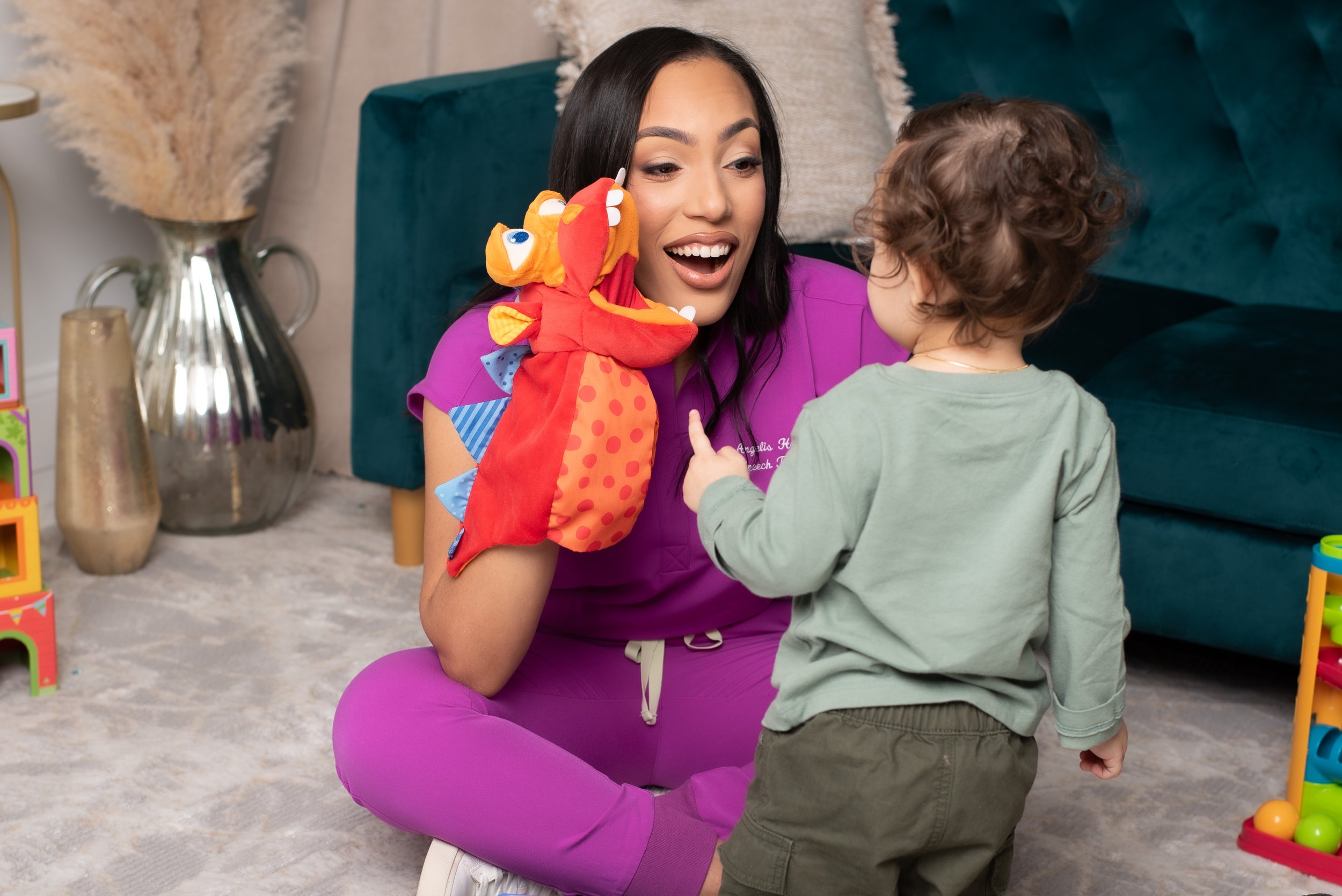
When a child struggles to pronounce sounds clearly, it can affect confidence, learning, and social connections. Articulation Therapy is a powerful, evidence-based approach designed to help children improve speech clarity and communication skills in a supportive, family-centered environment. If you’re a parent concerned about your child’s speech development, understanding how therapy works can give you clarity and hope.
Clear speech is more than correct pronunciation. It allows children to express ideas, build friendships, and succeed academically. Early intervention can make a significant difference, especially when therapy is individualized and neurodiversity affirming.
What Is Articulation Therapy?
Articulation Therapy focuses on helping children correctly produce speech sounds. Some children substitute sounds, like saying “wabbit” instead of “rabbit.” Others may omit sounds entirely or distort them. These patterns can persist without targeted support.
A speech-language pathologist evaluates which sounds are challenging and develops a structured yet playful plan. Therapy often follows a step-by-step process that begins with learning how the sound is made, then practicing it in isolation, gradually using it in syllables and words, and eventually building toward sentences and conversation.
Sessions are engaging and child-led, especially for children ages 2 to 18. Through games, storytelling, and real-life practice, children build both skill and confidence.
Signs Your Child May Need Support
Not all speech differences require therapy, but certain signs suggest professional guidance may help. These include difficulty being understood by family members, frustration when trying to communicate, dropping or replacing sounds beyond the expected age, limited vocabulary growth, and challenges with motor speech coordination.
Children with childhood apraxia of speech, motor speech disorders, or language delays often benefit from specialized intervention. Early support can prevent long-term academic and social challenges and strengthen a child’s self-esteem.
The Importance of a Neurodiversity-Affirming Approach
Every child communicates differently. A neurodiversity-affirming therapist respects individual differences and supports communication growth without trying to change a child’s personality or unique traits.
This approach builds on a child’s strengths, honors communication styles, encourages autonomy, and partners closely with families. Rather than relying on rigid drills, therapy becomes a collaborative process. Parents receive guidance on how to support speech practice naturally at home, making progress part of everyday routines.
Supporting Motor Speech and Apraxia
Some children struggle not because they lack ideas, but because their brain has difficulty coordinating the mouth movements required for speech. Childhood apraxia of speech requires specialized motor planning techniques and consistent practice.
Therapists use repetition, visual cues, and tactile support to strengthen motor pathways. Research indicates that consistent, individualized motor speech practice significantly improves outcomes. Frequent sessions and family involvement are particularly beneficial for steady progress.
Language Delays and Gestalt Language Processing
Speech clarity is only one part of communication. Some children experience broader language delays, while others are gestalt language processors who learn language in chunks or scripts before breaking them into smaller units.
Therapy supports these learners by modeling meaningful phrases, expanding scripts into flexible language, encouraging natural communication opportunities, and integrating literacy skills when appropriate. By meeting children at their developmental level, therapy becomes both safe and effective.
Augmentative and Alternative Communication
For some children, speech alone may not meet all communication needs. Augmentative and Alternative Communication tools such as picture systems or speech-generating devices can support expressive language development.
Using AAC does not prevent speech growth. In fact, research shows that it often enhances language development by reducing frustration and increasing communication opportunities. A child-led therapist carefully selects tools that align with the child’s abilities and goals.
Addressing Fluency and Stuttering
Speech clarity also includes fluency. Some children experience repetitions, prolongations, or blocks when speaking. Parents often search for a Stuttering Specialist Near Me when these challenges arise.

Fluency therapy focuses on building communication confidence while teaching strategies to manage stuttering. A supportive, pressure-free environment helps children feel understood and accepted. Family education is a key part of therapy, ensuring parents know how to respond calmly and positively to moments of disfluency.
Why Family-Centered Therapy Matters
Family involvement significantly impacts progress. When therapy extends beyond weekly sessions into daily interactions, children generalize skills more quickly. Parents learn how to model clear speech, encourage language growth, and create meaningful communication opportunities throughout the day.
In-home services can make therapy more comfortable and natural for children. Familiar environments often lead to increased participation and stronger outcomes.
Helping Your Child Find Their Voice
Every child deserves to be heard and understood. Whether your child is navigating articulation difficulties, apraxia, language delays, AAC needs, or fluency challenges, individualized support can make a lasting difference.
A neurodiversity-affirming, child-led approach ensures therapy respects your child’s unique strengths while guiding them toward clearer communication. With early intervention, consistent practice, and family collaboration, meaningful progress is possible.
Conclusion
Articulation therapy plays a vital role in helping children communicate with clarity and confidence. By addressing speech sound errors, motor planning challenges, language delays, and fluency concerns, therapy supports the whole child. A family-centered and individualized approach ensures that children feel empowered, understood, and capable. When parents partner with a skilled speech-language therapist, children gain not only clearer speech but also greater confidence in sharing their voice with the world.
Frequently Asked Questions
1. At what age should my child start articulation therapy?
Children as young as two years old can begin therapy if speech delays are present. Early intervention often leads to faster and more effective progress.
2. How long does articulation therapy take?
The duration depends on the severity of the speech challenges, frequency of sessions, and family involvement. Some children progress within months, while others may need longer-term support.
3. Can articulation therapy help with apraxia and stuttering?
Yes, therapy can address motor speech disorders like childhood apraxia of speech and fluency challenges such as stuttering through specialized, evidence-based techniques tailored to your child’s needs.